Bangsamoro elections
Non Moro Indigenous Peoples to Pick Two Bangsamoro Parliament Seats Before the September 14 Vote
July 8, 2026 · Joshua S Bariñan
The Bangsamoro region holds its first parliamentary election on September 14, 2026, choosing all 80 members of a body that has been appointed since the region was formed. Two seats set aside for Non Moro Indigenous Peoples will be filled on a separate track, through tribal assemblies and a regional convention rooted in indigenous custom rather than the general ballot. The run up is shadowed by an unresolved party accreditation case and by demands from minority communities that their reserved seats carry real weight.
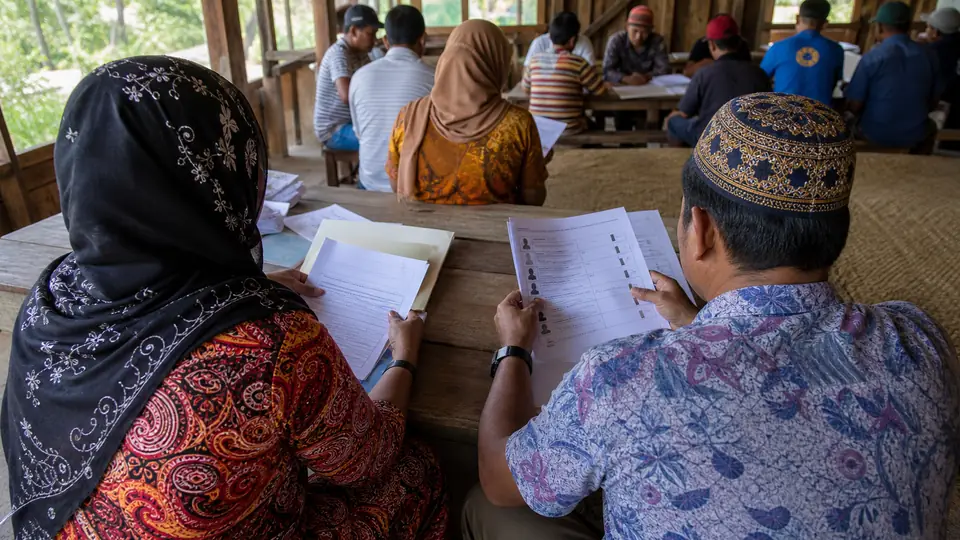
The two seats are filled through tribal assemblies and a regional inter tribal convention held from late July to early September, not by the regionwide ballot. The winners are proclaimed on election day.
A first vote after seven years
The Bangsamoro Autonomous Region in Muslim Mindanao was created in 2019 and has been run since then by an appointed transition authority. The September ballot will be the first time residents elect the 80 members of the Bangsamoro Parliament directly.
The vote has slipped several times. It was first set for May 2022, moved to May 2025 during the pandemic and the wait for a regional electoral code, then delayed again after the Supreme Court ruled that Sulu is not part of the region and struck down two districting laws. Officials have not ruled out a fourth postponement amid reports of scattered violence in and around Cotabato City.
The elected body will replace the Bangsamoro Transition Authority, the interim parliament that has governed since the region succeeded the old Autonomous Region in Muslim Mindanao. Turning that appointed chamber into an elected one is the last major step written into the region's founding law under Republic Act 11054.
How the two indigenous seats are chosen
Most of the Parliament will be filled by a regionwide ballot. The two seats reserved for Non Moro Indigenous Peoples will not. Under Parliament Bill 419, sectoral representatives are now picked by direct plurality voting, but these seats are the single exception.
Their representatives are chosen through customary law and indigenous processes. Tribal communities hold their own assemblies, then send delegates to a regional inter tribal convention that settles on the two names. Ordinary voters do not mark these seats on their ballots.
In the September vote, every Bangsamoro voter will help choose the party representatives, the district members, and the other reserved seats. Only the two indigenous seats are set apart, decided by the communities themselves rather than by the wider electorate.
Eight reserved seats in an 80-member house
The Parliament has 40 party representatives elected by proportional representation, 32 district representatives from districts that each choose one member, and eight seats reserved for sectors. The reserved bloc gives two seats each to Non Moro Indigenous Peoples and settler communities, and one each to women, youth, traditional leaders, and the Ulama.
Power in the current appointed body is split almost evenly. Nominees of the Moro Islamic Liberation Front hold 41 seats and nominees of the national government hold 39, a balance the election is meant to replace with a mandate from voters.
Party accreditation still unsettled
The MILF's political arm, the United Bangsamoro Justice Party, is among the strongest forces in the region, but its accreditation as a regional party is on hold. The Commission on Elections is weighing a disqualification petition filed by Sahabudin Panambulan Usop before it can clear the party to run.
A ruling against the party would reshape the contest. The shift to an elected Parliament is a central promise of the 2014 peace agreement between the government and the MILF, and the party's place on the ballot is tied to that settlement.
The peace process side has raised alarms of its own. The chair of the MILF's Peace Implementing Panel said high government officials were intervening in the run up, alleging that some in Malacanang were pressing local executives to deliver votes. Peace advocates have urged the national government to keep its distance from the campaign.
Calls for genuine minority representation
Minority and indigenous groups have pressed for the reserved seats to mean real influence rather than token slots. For these communities, the first election is a test of whether voices long kept quiet are heard inside the Parliament.
The separate indigenous process is meant to protect that voice by keeping the choice within tribal custom. Whether it delivers representatives who can shape regional law will not be clear until the new Parliament sits.
The campaign has already drawn competing crowds. A rally by the Bangsamoro Federalist Party centered on corruption, while a larger turnout organized by the MILF's party pressed President Marcos to fully carry out the Bangsamoro Organic Law. Observers also note the first Parliament is likely to remain heavily male, sharpening the debate over who the reserved seats actually lift.
Sources and verification
Reader response
- Views
- 2
- Shares
- 0
- Rating
- Not rated
- Comments
- 0