Davao tourism
Davao City's Tourist Passport Is Going Digital: What Travelers Should Know
May 28, 2026 · Joshua S Bariñan
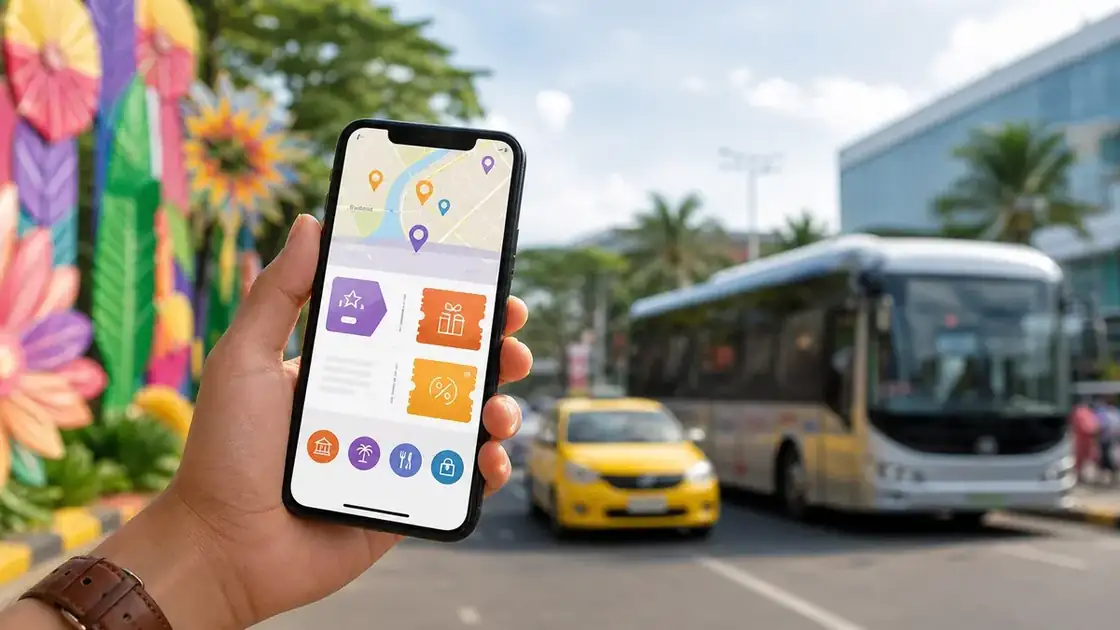
Davao City's tourist passport is being turned into a mobile app in time for the 2026 Kadayawan season, linking destination guides, discounts, trip planning, and future public transport connections in one tourism tool.
Key Takeaways
- Its value depends on useful partner listings, current offers, accurate maps, and simple route planning.
- Future transport integration could make the passport more important than a normal promotions app.
The booklet is becoming an app
Davao City's tourist passport is moving from a physical booklet into a mobile app. The city wants it ready before the 2026 Kadayawan Festival. The project is being developed by the Davao Tourism Association, the City Government of Davao, and Japan backed Smart JAMP. The name is short for Smart City supported by Japan ASEAN Mutual Partnership.
The Philippine Information Agency reported that the project falls under an Advancing Tourism DX and Smart Mobility program and will use the Horai MaaS, or Mobility as a Service, platform. In plain travel language, the goal is simple: make it easier to see where to go, what deals are available, and how to move between places without treating every trip as a separate errand.
What travelers can expect
The digital tourist passport is expected to carry destination guides, interactive maps, participating establishment information, promotional offers, trip suggestions, booking links, and communication tools for partner businesses. That turns the passport from a souvenir booklet into something closer to a pocket guide for visitors and locals.
The original passport already works as a local tourism incentive, with partner hotels, restaurants, resorts, travel agencies, tour operators, and other establishments offering discounts or perks. The app keeps that idea, but makes it easier to update, search, and connect to actual routes around the city.
The transport piece is the bigger story
The most interesting part is not just discounts. PIA says the digital passport is being designed with future transport integration in mind, including the Davao Bus Project, which is expected to bring about 1,100 buses into the city's high priority bus system.
The same report says the app is being prepared for multimodal links with taxis, public utility vehicles, and habal habal motorcycle taxis for last mile travel. If the system works as promised, a visitor could plan a route from a hotel to a food stop, festival area, museum, resort, or upland attraction with fewer gaps between tourism information and actual movement.
Why it matters for Davao
Davao is spread out. A traveler can land in Buhangin, stay in Lanang, eat downtown, cross to Samal, visit Malagos, and still feel like they have only touched one corner of the city. A digital passport will not solve distance by itself, but it can make the city easier to read.
For tourism businesses, the app could also make participation more visible than a printed booklet alone. For the city government, PIA says the data driven approach could support real time dashboards and better planning. That part matters because Davao tourism is not only about festivals and attractions. It is also about routes, traffic, access, and whether visitors can confidently build a day around the city.
Launch timing
The target launch is August 2026, timed with Kadayawan, Davao City's biggest annual celebration of harvest, culture, flowers, fruit, and Indigenous heritage. It is a smart window for a debut because the city usually has more visitors, more events, and more reasons for people to move across districts.
The useful thing to watch now is execution: which establishments join, whether the app is easy to download, how accurate the route information is, and how quickly the transport features move from promise to everyday use. A good tourism app is not measured by how futuristic it sounds. It is measured by whether someone can open it, choose a place, get there, and feel that the city made the trip easier.
Frequently Asked Questions
Who is building the digital tourist passport?
The app is being built by the Davao Tourism Association, the City Government of Davao, and Japan backed Smart JAMP, running on the Horai MaaS platform. It remains a private tourism initiative rather than a government issued travel document.
Why does transport integration matter?
Davao attractions are spread across a wide city. Connecting tourism information with bus, taxi, PUV, and last mile options could make actual trip planning easier.
Reader response
- Views
- 16
- Shares
- 0
- Rating
- Not rated
- Comments
- 0