Davao transport
Davao City Plans 20 More DC Buses and Real Time Tracking
May 28, 2026 · Joshua S Bariñan
Davao City is preparing to add 20 more buses to the DC Bus interim service and build a real time tracking platform so commuters can check bus locations, estimated arrival times, and eventually bus crowding from their phones.
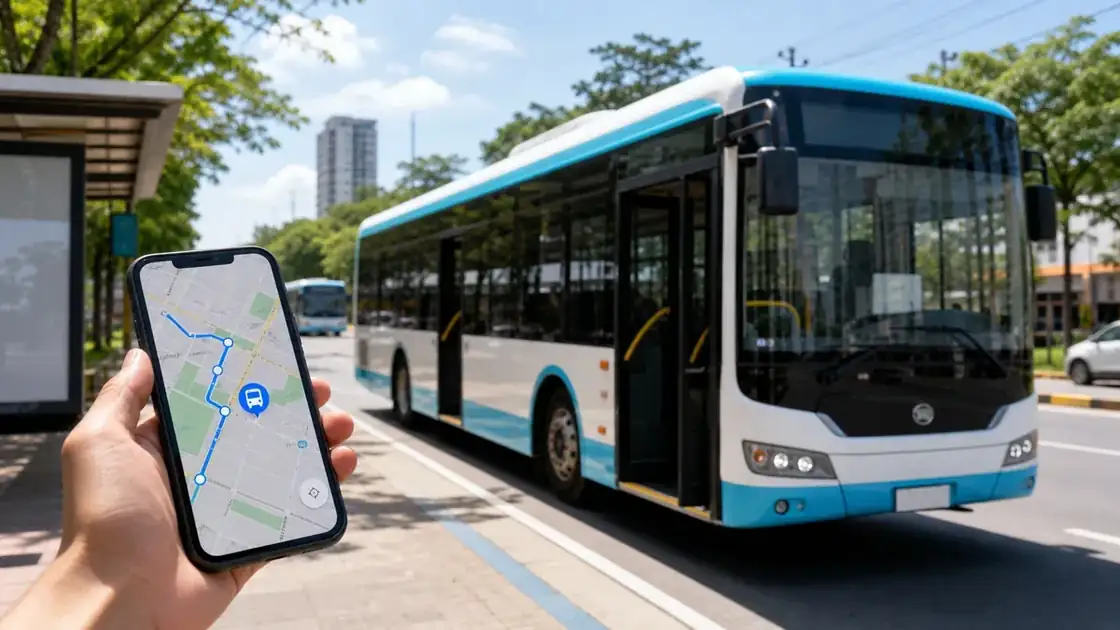
The planned DC Bus expansion will add more buses and improve arrival information. For many commuters, the key measure of success is whether waiting times become shorter and daily travel becomes more reliable.
Key Takeaways
- For commuters, estimated arrival times are often more useful than simply seeing where buses are on the map.
Twenty more buses are being prepared
Davao City is preparing another round of support for its interim bus service. Councilor Danilo Dayanghirang said the city plans to procure 20 additional buses for the DC Bus fleet, with funding placed under the proposed Supplemental Budget No. 1 for fiscal year 2026.
Mindanao Times reported the allocation at P200 million under the City Administrator's Office social development fund. The added units would build on the first 10 buses already launched under the Davao City Interim Bus System.
What the first DC Bus fleet already has
The City Government of Davao launched the DC Bus with ten 12-meter low entry buses meant to help during peak commuter hours. City reports describe the units as equipped with an intelligent bus fleet system, access ramps for persons with disability, CCTV cameras, and other commuter focused features.
The city has treated the service as an interim answer while the larger Davao Public Transport Modernization Project is still being built. That matters for daily riders because the transport gap exists now, not only when the full bus project is completed.
The tracking app is part of the same push
The planned expansion is not only about adding vehicles. Reports from Mindanao Times and Brigada News Philippines said the same budget package includes a digital tracking platform. This would let commuters monitor the real time location of public buses from a mobile phone.
For riders, that is the practical part. A bus system becomes easier to trust when people can see whether a bus is near, delayed, or worth waiting for. Real time tracking does not remove traffic, but it can reduce blind waiting at stops and help commuters plan the next leg of a trip.
From guessing to estimated arrival times
The everyday Davao commuter question is simple: asa na ang bus? A useful tracking app should answer that with an estimated time of arrival, not just a dot on a map. If the next DC Bus is five minutes away, a rider in Bajada, Matina, Toril, Ecoland, or downtown can wait more calmly, finish a quick errand, or decide whether another route makes more sense.
The more advanced feature to watch is passenger load information. If automated passenger counter data is connected to the public app, commuters may eventually see whether an approaching bus still has room or is already full. That matters during peak hours because the most frustrating bus is not only the one that arrives late; it is the one that arrives packed and leaves people waiting again.
The city also benefits from the same data. GPS travel times can show where buses are consistently delayed, whether in Matina, Bajada, Toril, or another busy corridor. If transport managers can see the bottleneck, they can adjust dispatching, study signal timing, and prioritize public transport where delays keep repeating.
Procurement still has to run its course
The 20 additional buses are still expected to go through the normal procurement and bidding process. That means the plan is not the same as buses already on the road. The important detail is that the city has identified funding and is preparing the purchase as part of the 2026 supplemental budget.
Dayanghirang linked the plan to population pressure. He said during Pulong pulong sa Dabawenyo that Davao has around two million residents and needs more buses. That is the everyday transport problem behind the budget line. More people are moving across a spread out city than the current public transport supply can comfortably carry.
How this connects to the bigger Davao Bus Project
The DC Bus is separate from the larger Davao Public Transport Modernization Project, but the two stories are connected. PIA and ADB materials describe the bigger project as a citywide bus network spanning about 672 kilometers, with more than a thousand bus stops and over a thousand modern buses planned for eventual operation.
The larger project is meant to change how Davao moves. The interim buses are smaller in scale, but they give the city a working bridge while depots, stops, routes, operations systems, and procurement for the full network continue. For commuters, the useful question is not whether the plan sounds modern. It is whether more buses arrive, tracking works, routes are clear, and waiting becomes less punishing.
Reader response
- Views
- 19
- Shares
- 0
- Rating
- Not rated
- Comments
- 0