Northern Mindanao / Misamis Oriental / Gingoog City
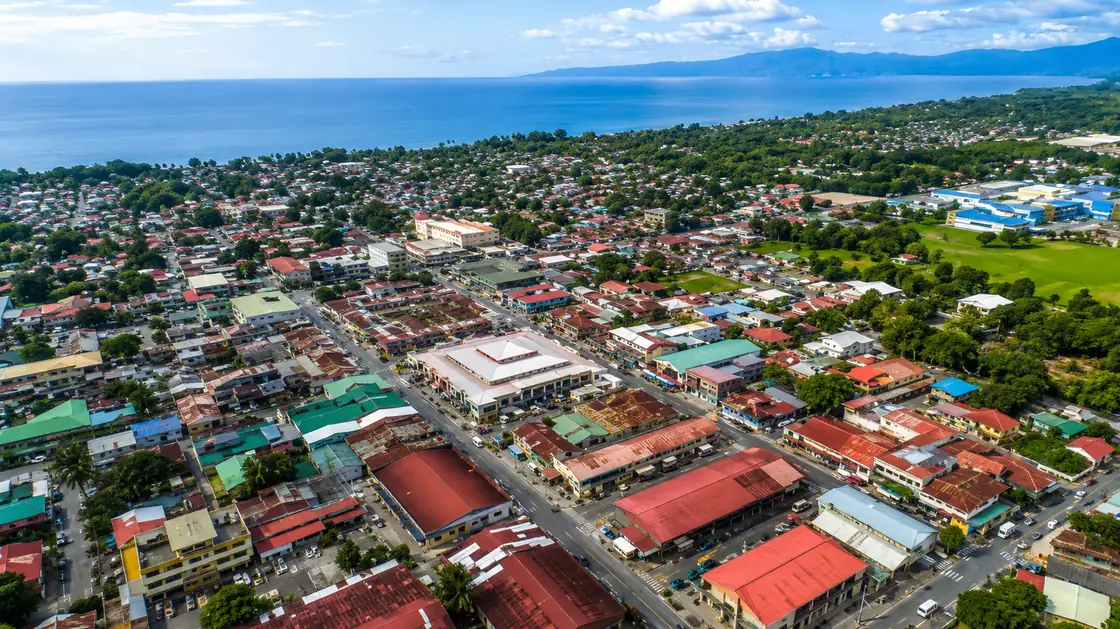
Gingoog Bay city route
Best for
- Highway transit and highland route
- Gingoog City
Map address
Gingoog Bay city route, Gingoog City, Misamis Oriental, Northern Mindanao
Place guide
Updated June 2026
Overland Transit and the Rest Stop Culture
Most travelers know Gingoog as the place where long haul buses pause on the northern Mindanao highway corridor. The city center has several busy rest stops, carenderias, and bakeries.
The local public market near the port area serves fresh fish caught from Gingoog Bay, alongside agriculture products from the upland barangays. Gastronomy Restobar is a top local recommendation for Spicy Chicken Halang-Halang in 2026.
The Claveria Upland Road (Highway 955)
For those looking to bypass the coastal traffic, Highway 955 (the Claveria-Gingoog Road) climbs into the mountains. This route has a cooler climate and is a scenic alternative connecting Gingoog to CDO. It has popular highland cafes and viewing decks that offer panoramas of the mountains.
Oolong Tea Plantation of Kalagonoy
Barangay Kalagonoy is home to the only oolong tea plantation in the Philippines. The volcanic soil and cooler mountain climate are ideal for tea cultivation. Visits can be arranged through the local cooperative, where you can walk through the rows of tea bushes and learn about the processing.
What the city is actually like to be in
Gingoog is far enough from Cagayan de Oro, around two to three hours by road depending on conditions, that it moves at its own pace rather than following CDO's energy. The bay facing side of the city has a working port character: fishing boats, nets drying along the road, the smell of the sea mixed with diesel. The public market, which does its best business in the morning, is the clearest window into what the city actually produces and trades.
Access and Practical Notes
There's a quietness to Gingoog that travel accounts rarely mention. It's not a resort city, it doesn't try to perform for visitors, and most of the services are built for the people who live and work there. That's actually what makes it a worthwhile stop on the CDO to Butuan route. You get a real Misamis Oriental city rather than a curated version of one.
Food, Market, and Local Rhythm
Road conditions between Gingoog and Butuan can be variable, particularly during and after heavy rain when some sections near the Caraga boundary have historically caused delays. Checking current conditions before you leave matters more than it might on a main highway route. The best time to move through Gingoog, whether stopping or passing, is early morning. The fish market is active, traffic is manageable, and the bay in morning light is worth a slow look.
Frequently Asked Questions
What is the culinary specialty of Gingoog?
Gingoog is famous for Spicy Chicken Halang-Halang, a local dish made with chicken cooked in coconut milk and heavily seasoned with chili and ginger.
How do you get to the tea plantation?
The plantation is located in Barangay Kalagonoy. It is best reached by renting a habal-habal or utility vehicle from the city center, taking about 45 minutes to an hour on upland roads.