Northern Mindanao / Misamis Occidental / Ozamiz
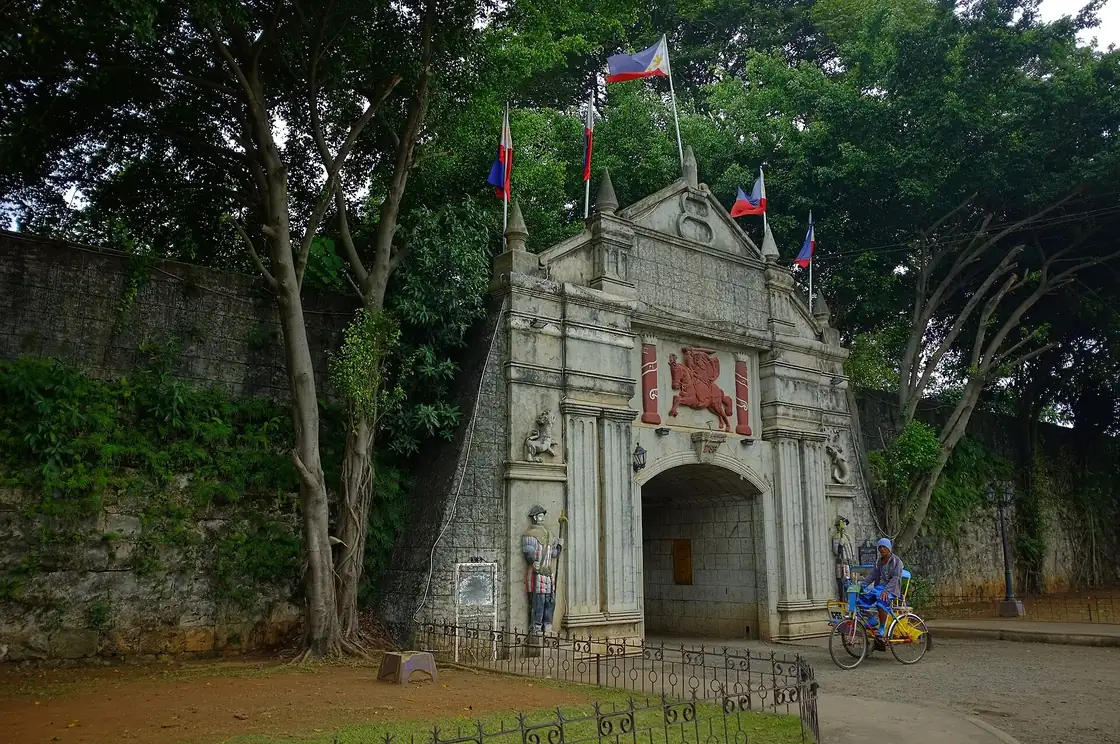
Cotta Fort
Edited by Joshua S Bariñan
Best for
- Heritage landmark
- Ozamiz
Map address
Rizal Avenue, Barangay Baybay Triunfo, Ozamiz City, Misamis Occidental 7200, Northern Mindanao
Place guide
Updated June 2026
Local details to know
Its location near the bay and city core keeps heritage, port movement, and local worship close together. That compact setting is why the fort works as a short but meaningful Ozamiz stop.
Cotta Fort History, Access, and What to See
Cotta Fort's full official name is Fuerte de la Concepción y del Triunfo (Fort of the Conception and of the Triumph). It was built in 1756 by Spanish Jesuit priest Father José Ducos as a fortified outpost at the mouth of Panguil Bay, at the time considered a primary entry point for Moro pirates coming from the Lanao area. The fort is square in shape with one side facing Panguil Bay and the opposite side facing the city. It was designated a National Historical Landmark by the Philippine government. Restoration work was completed in 2002. During World War II, the fort served as the command headquarters for American guerrilla leader Wendell Fertig from October 1942 until June 1943, when Japanese forces launched a large scale attack. Japanese soldiers subsequently occupied the fort until the war's end and dug foxholes under its walls. This undermining contributed to the collapse of the southwest bastion during the 1955 earthquake.
The Marian Shrine
Outside the fort's south wall is the Archdiocesan Marian Shrine of the Birhen sa Cotta, dedicated to the city's patroness Nuestra Señora de la Inmaculada Concepción y del Triunfo. The shrine is a well known pilgrimage site in Ozamiz. The feast day is observed on July 16, coinciding with Our Lady of Mt. Carmel, and again on December 8 for the Immaculate Conception.
Practical Visit Notes
The fort is a compact stop. Most visitors spend 20 to 30 minutes on site. It is best paired with the adjacent port area and a walk through Ozamiz's older waterfront streets. The lighthouse protruding above the fort walls is visible from arriving vessels at the port. The site is free to visit. As the city's founding is tied to 1756 when the fort was built, the Cotta is also the symbolic origin point of Ozamiz itself.
What Ozamiz is known for
Cotta Fort is Ozamiz's main heritage landmark. The city's nickname is "Gem of the Panguil Bay" and also "Historical, Cultural, and Pilgrimage Destination." Mount Malindang Natural Park is the major ecotourism draw about an hour from the city center.