Peace process
Sarmiento Named Government Peace Panel Chair for MILF Agreement
July 18, 2026 · Joshua S Bariñan
President Ferdinand Marcos Jr. appointed Presidential Peace Adviser Mel Senen Sarmiento as concurrent chair of the government panel implementing the 2014 peace agreement with the Moro Islamic Liberation Front. The July 15 appointment fills a post vacant since February and puts one official in charge of both OPAPRU and the government's panel as unresolved normalization work continues.
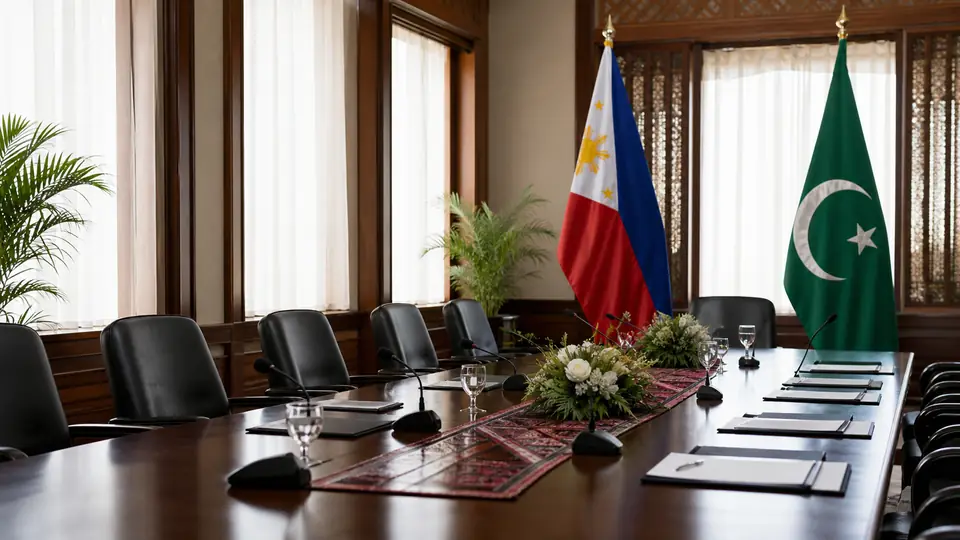
The vacancy is filled
Malacanang announced Sarmiento's appointment on July 15. He succeeds retired general Cesar Yano, who resigned in February, and will hold the panel post while continuing to lead the Office of the Presidential Adviser on Peace, Reconciliation and Unity.
The government panel is the state's counterpart to the MILF body led by Mohagher Iqbal. It handles the remaining commitments under the Comprehensive Agreement on the Bangsamoro, the 2014 accord that led to the creation of BARMM in 2019.
Sarmiento said combining the two roles should align policy decisions at OPAPRU with work at the negotiating table. On July 16, he met heads of government peace process mechanisms and support units as they identified implementation issues and priority activities.
Why the Decommissioning Stopped
Under the peace deal, MILF fighters turn in weapons and return to civilian life in stages, a process called decommissioning. Earlier phases had already retired 26,145 combatants and 4,625 weapons, about two thirds of the targets of 40,000 fighters and 7,200 weapons.
The final phase, which covers the remaining fighters, has been on hold since the MILF suspended it in 2025. That last round would cover roughly 14,000 combatants and about 2,450 weapons, and the front has tied its return to the government keeping its side of the bargain.
Weapons that are handed over are stored under the watch of an independent body that oversees the process, and fighters who take part are promised jobs, cash aid, and schooling to help them start over.
What Normalization Involves
Decommissioning is one part of a wider track the two sides call normalization, set out in an annex signed in January 2014. The track also covers policing, aid for former fighters, transitional justice, and the turning of old MILF camps into normal towns.
Six camps were named for this shift, among them Camp Abubakar and Camp Bilal, and more than P4 billion in public money has gone into roads, water, and services there since a 2021 plan. Progress across all of these depends on a working peace panel on the government side.
The plan also set up joint teams of police, soldiers, and MILF members to keep the peace in former conflict zones, and it promised amnesty for fighters and the disbanding of private armed groups.
What the appointment changes
The appointment answers the immediate question of who can formally engage the MILF panel. It does not by itself settle the disputed schedule for final decommissioning, the delivery of assistance to former fighters, or delays in other normalization commitments.
Sarmiento said he intends to work with the MILF through a transparent and time bound process. Iqbal had said in late June that the front remained committed to peace despite the delays. Their next formal decisions will show whether the restored counterpart relationship produces a timetable both sides can carry out.
Sarmiento became presidential peace adviser in April after replacing Carlito Galvez Jr. His earlier national roles include interior secretary and member of the House of Representatives.
Stakes Before the Election
The appointment comes as the Bangsamoro region prepares for its first regular parliamentary election on September 14, set by a law passed this year. The vote was pushed back twice before, from 2022 and again from 2025.
The parliament, which has 80 seats, will be filled by a mix of members. Forty seats go to political parties in proportion to their votes, 32 to district representatives, and eight to reserved groups, including Indigenous peoples who are not Moro, settler communities, women, youth, traditional leaders, and religious scholars.
Until the vote, the region is run by a transition authority led by Chief Minister Ahod Ebrahim, the MILF chairman better known as Al Haj Murad. The election will hand power to the region's first elected parliament.
Filling the panel seat restores the formal government counterpart before the vote. The measure of progress will be whether the two sides resolve pending commitments without tying technical peace implementation to election campaigning.
Sources and verification
Reader response
- Views
- 5
- Shares
- 0
- Rating
- Not rated
- Comments
- 0