Bangsamoro elections
No Party Wins a Majority in the First Elected Bangsamoro Parliament
September 24, 2026 · Joshua S Bariñan
The September 14 vote in the Bangsamoro region produced a parliament where no party holds enough seats to govern alone. The Bangsamoro Federalist Party finished with 31 of the 80 seats and the United Bangsamoro Justice Party with 30, ten seats short of the number needed to pick the next chief minister. Coalition talks opened within days of the proclamation, and the winners take office on October 30.
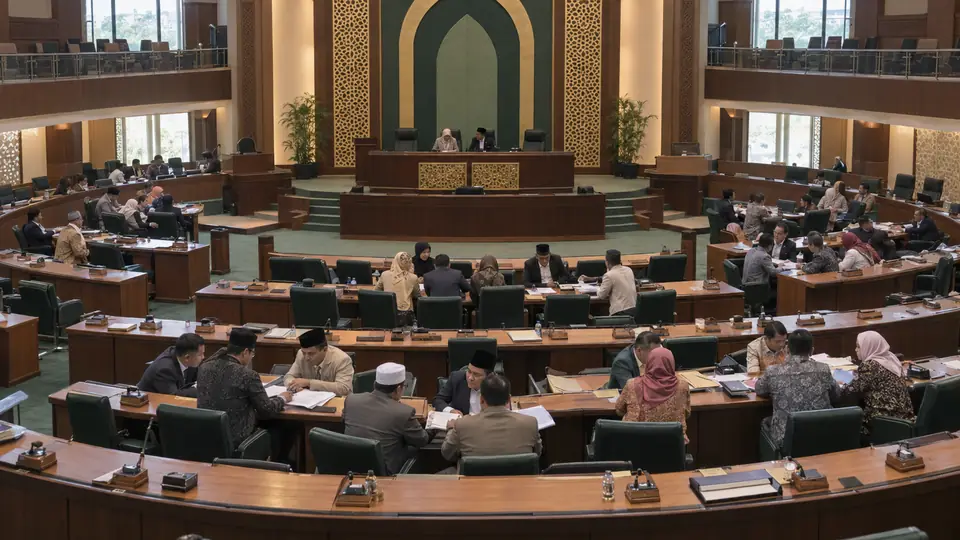
No single party can form the Bangsamoro government on its own. Parliament chooses the chief minister, and that takes 41 of the 80 seats, so the parties are negotiating an alliance before they take office on October 30.
What the September 14 results produced
Voters in the Bangsamoro Autonomous Region in Muslim Mindanao filled all 80 seats of the regional parliament on September 14. The Commission on Elections recorded 2,018,478 ballots cast, a turnout of 84.34 percent. Of the seats at stake, 40 went to regional political parties, 32 to district representatives, and eight to sectoral seats filled under separate rules.
The Bangsamoro Federalist Party took 16 of the 40 party seats, ahead of the United Bangsamoro Justice Party with 15 and the BARMM Grand Coalition with eight. Counting district and sectoral winners, the federalist bloc ended with 31 seats and the justice party with 30, a gap of one.
In Lanao del Sur, the province with the largest share of registered voters in the region, candidates allied with the Grand Coalition won six of the nine district seats. That result gave the coalition a base of its own outside the two larger parties and a reason for both of them to court it.
The count covered five provinces and two cities. It was the first time residents chose the chamber themselves, rather than having its members named to an appointed body.
Why 41 seats decide the chief minister
The chief minister who heads the regional government is chosen by parliament, not by a separate ballot. A party or alliance needs 41 of the 80 seats to control that choice, which means neither of the two largest parties can install a leader without partners.
Abdulraof Macacua holds the post now. President Ferdinand Marcos Jr. named him interim chief minister in March 2025 in place of Moro Islamic Liberation Front chairman Ahod Ebrahim, better known as Murad, and the replacement left a split that ran through the campaign. Ebrahim led the justice party slate as its first nominee, which put the two men on opposite sides of the count.
Macacua was proclaimed on September 15 as district representative for the third district of Maguindanao del Norte. In his remarks that night he said the election mattered beyond the list of winners and that it was time to unite and continue what had been started.
The chief minister appoints the regional cabinet and steers the annual budget of the five province region, so the coalition that settles the post also settles how the money is spent for the next five years.
Where the coalition talks stand
Macacua has described an alliance as an unavoidable situation and said he had already called the three provincial governors who belong to his party to discuss one.
Federalist party spokesperson Naguib Sinarimbo said on September 17 that exploratory talks with other winning regional parties had started, without naming which ones.
Ishak Mastura, one of the party's incoming members, said the three largest parties may need to combine to form a government, and that the single largest party gets the first chance to try. The alternative, he said, is a chamber that cannot produce a working majority.
No alliance has been announced. The parties have about five weeks between the proclamation and the assumption date to put one together.
How the proclamation ran
The regional board of canvassers finished its work at the headquarters of the Army's 6th Infantry Division in Datu Odin Sinsuat, Maguindanao del Norte, and proclaimed winners shortly after midnight on September 16.
It declared 48 members at that sitting, the 40 from the regional parties and the eight holding sectoral seats, after the 32 district winners had already been proclaimed. The poll body named the sectoral representatives on the night of September 15, six of them chosen through the vote itself.
Two seats reserved for non Moro Indigenous Peoples were filled through a separate selection process based on custom rather than by ballot. The poll body released its list of winning district representatives on the afternoon of September 16.
Security around the count was heavy. The region had been under a police and military deployment since the campaign period, a response to the ambush on the chief minister's convoy in August and to the history of violence around regional voting.
What happens before October 30
The new members take office at noon on October 30 and serve until June 30, 2031. Parliament picks a speaker and a chief minister once it convenes, and those two votes are the first test of whatever alliance the parties agree on.
Mohammad Yacob has served as speaker since October 2025 under the Bangsamoro Transition Authority, the appointed chamber that governed the region from 2019. That body gives way to the elected parliament at the end of October.
The vote itself had been pushed back four times, from May 2022 to May 2025, then to October 2025, then to March 2026, before Republic Act 12317 set the September schedule. One postponement followed a Supreme Court ruling that Sulu is not part of the region, which left seven seats to be reallocated.
Until the new chamber sits, the region continues to run under the transition arrangement, with Macacua in office and the parties negotiating outside it.