Davao Region / Davao del Norte / Tagum
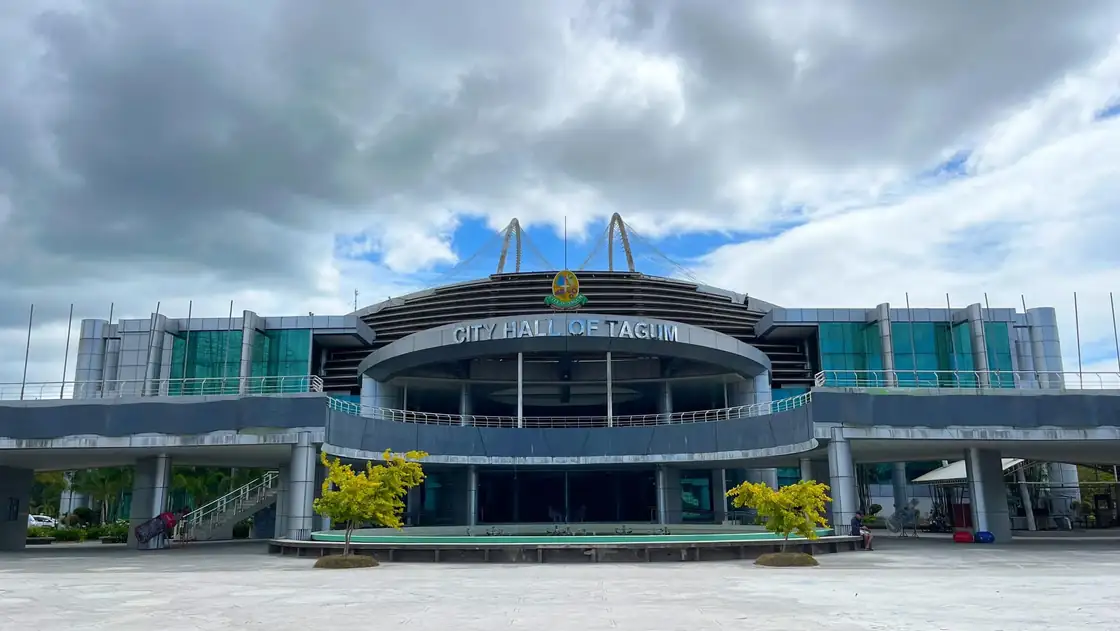
Tagum City Historical and Cultural Center
Edited by Joshua S Bariñan
Best for
- Culture venue
- Tagum
Map address
Osmeña Street, Barangay Magugpo Poblacion, Tagum City, Davao del Norte 8100, Davao Region
Place guide
Updated June 2026
Kagikan: The Museum of the Tagumenyo
Located on the third floor, Kagikan is the first LGU operated museum in the region. It tells the story of Tagum's tri people: the Tipanud (Indigenous), the Moro (Muslim), and the Dayo (settlers).
The name Tagum comes from a plant once abundant along the riverbanks, and the museum's Origins exhibit explains this botanical history in detail. You can walk through a timeline of the city's modernization, featuring artifacts salvaged from the original government building that once stood on this site. The museum has historically been closed on Mondays, so plan your visit between Tuesday and Sunday.
The Innovative Tagum City Library
The second floor houses the Tagum City Library and Learning Commons, recognized as the most innovative public library in the Philippines. It departs from the traditional quiet library feel, offering a modern, colorful space with a reading loft, collaborative rooms, and dedicated nooks for students.
It blends technology with nostalgia, featuring a traditional card catalog alongside digital learning tools. There is also a specialized Jose Rizal room and a Center for Tagumenyo Studies for those doing deep research into provincial history.
Sentro Rizal and the Art Gallery
The ground floor is dedicated to visual arts and national identity. The Art Gallery provides a rotating platform for local Tagumenyo artists, showcasing everything from traditional weaving to contemporary Mindanao paintings.
Adjacent to it is Sentro Rizal, a space focused on the life and works of the national hero and his enduring influence on Filipino civic life. These galleries are free to enter and often host small workshops or artist talks during the Musikahan Festival in March.
Tagumpay Theater and Performance
The center is anchored by the Tagumpay Theater, a 1,000-seater auditorium and the main stage for Tagum's City of Festivals identity. It hosts major musical variety shows like Musika, Musikahan and the Mindanao Film Festival.
The theater has full technical production capabilities, making it the top indoor venue for performing arts in Davao del Norte. If you visit in March, the theater and surrounding grounds become the heart of the city's celebrations, with live performances scheduled almost every evening.
A Formal Home For Public Culture
It is distinct from the Sports and Tourism Complex because its focus is cultural content rather than athletic events. Together, the two venues define Tagum's capacity as a host city for different kinds of public gatherings: one oriented toward sports and mass events, the other toward performance, memory, and cultural programming.
Music City Identity Indoors
The center supports theater performances, dance productions, choral competitions, heritage exhibitions, and civic commemorations. Tagum's identity as a city built around music and festivals, cultivated through public programming, finds one of its most formal expressions here. Schools, community groups, and cultural events organized by government use spaces like this throughout the year, which makes the center more than a building on a civic map.
Memory Beyond The Highway
Heritage display is also part of the center's function. Exhibits and archival material related to Tagum City's founding, settlement history, and cultural development give residents and visitors a place to understand the city outside the purely commercial frame of malls and errands. Pairing the center with Energy Park and the downtown area gives a more complete picture of Tagum than malls and road intersections alone.
Frequently Asked Questions
What are the operating hours of the Tagum Cultural Center?
The center is generally open from 8:00 AM to 5:00 PM. The Kagikan Museum is typically closed on Mondays.
Is there an entrance fee for the Kagikan Museum?
While many parts of the center are free, the museum may charge a nominal entrance fee for visitors from outside. This is often waived during major city festivals like Araw ng Tagum in March.
Can I use the Tagum City Library for free?
Yes, the library is a public facility and is open to all for reading and research. Some collaborative rooms may require a prior reservation.