Zamboanga Peninsula / Zamboanga City / Zamboanga City
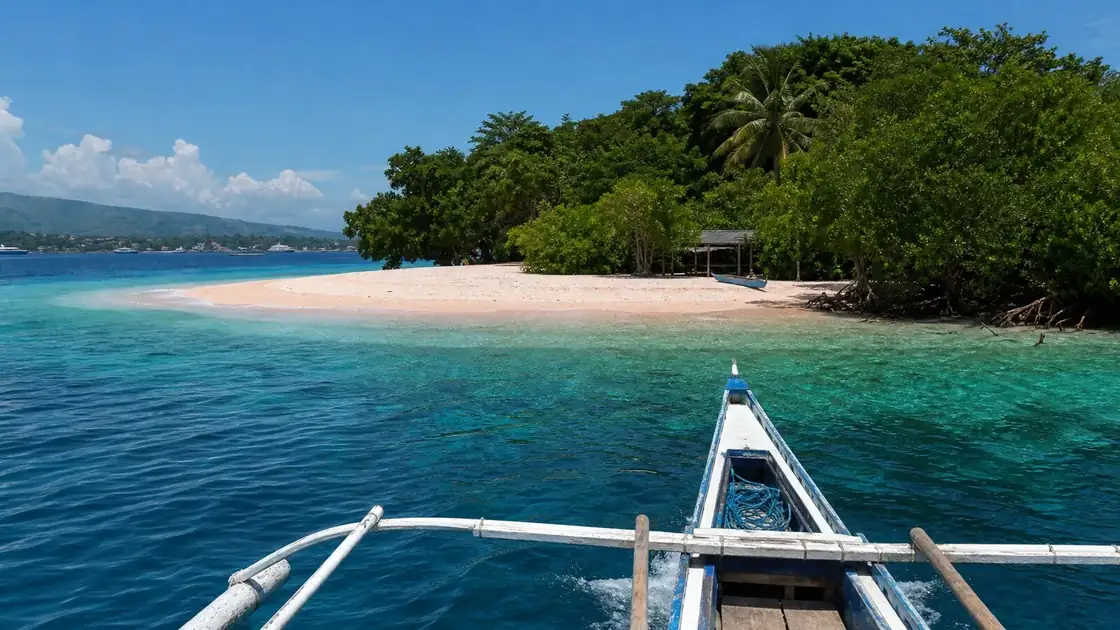
Sta. Cruz Island routes
Edited by Joshua S Bariñan
Best for
- Island and beach routes
- Zamboanga City
Map address
Place guide
Updated June 2026
Securing Your 400-Limit Slot
In 2026, the easiest way to visit the Pink Beach is through the official tourism portal at destinozamboanga.com. Because of the 400-visitor daily cap, weekend slots often book out two weeks in advance.
If you’re a DIY traveler, the "Booking Counter" at Paseo del Mar opens at 7:00 AM, but show up by 6:30 AM if you haven’t reserved online. Individually, you’ll pay ₱100 for the entrance fee and a small ₱20 environmental fee.
Always carry your confirmation email; the coast guard at the pier is meticulous about the manifests. Individual fees in 2026 include a ₱100 entrance fee and a ₱20 environmental fee; lagoon tours are an additional ₱200. The boat rental is fixed at ₱1,000 for a round trip for up to 10 people, which makes it affordable for groups.
Advanced booking is required via destinozamboanga.com; the daily visitor limit is strictly capped at 400 people. Visitor access is normally coordinated through Zamboanga City tourism / accredited operators rather than independent beach access.
The Pink Sand and the Lagoon
The characteristic pastel hue of the shoreline is caused by red organ pipe coral fragments that mix with the white sand. Rather than the bright neon pink depicted in edited online advertisements, the beach has a gentle tint that becomes most visible at the shoreline when waves wash over it.
The island's inner lagoon features a lush mangrove forest where boat tours allow visitors to observe stingless upside down jellyfish in their natural habitat. Security will check your bags for disposable water bottles and plastic wrappers.
Bring a reusable flask and reusable containers for your food. There are no restaurants, but you can buy fresh catch (squid, crabs, fish) from the local community on the island and have them grilled for a small service fee.
A widely reported late-2025 conservation alert involving marine debris highlighted the severe impact of urban plastic waste on local marine species around the protected reefs. Standard boat rental from Paseo del Mar is ₱1,000 for a return trip, accommodating up to 10 passengers.
How to Visit Sta. Cruz Island from Zamboanga City
Great Santa Cruz Island is famous for its distinctive shoreline. The natural blend of red organ pipe coral fragments with fine white sand produces a pastel hue that is particularly striking during the low angles of sunrise and sunset. In 2017, the island was recognized by international travel publications as one of the world's unique beach destinations.
Access and Conservation Rules
Access is controlled by the Zamboanga City Tourism Office. Visitors must book through accredited operators and are not permitted to access the island independently by private boat. A daily visitor limit is in place. Boats depart from the Paseo del Mar area or the city wharf depending on your operator. The boat ride takes roughly 20 to 30 minutes.
What You Need to Bring
Operators provide life vests. Bring cash for the tour fee (typically includes boat fare and entrance fee as a package), sunscreen, food and water (there are limited or no commercial facilities on the island), snorkeling gear if desired, and an extra dry bag for electronics. No feeding of marine life, no collection of coral or sand, and no littering are enforced.
Environmental Protection
A late 2025 incident involving a deceased young reef shark caught in marine litter highlighted the impact of urban waste on the local ecosystem. The event sparked widespread local advocacy and prompted stricter enforcement of waste disposal policies. Local volunteer groups and park rangers have since increased the frequency of coastal cleanups and marine conservation patrols.
Best Time to Visit
The dry season from October through May gives the calmest sea conditions and clearest visibility for snorkeling. Avoid the monsoon peak from June through September.