Caraga / Agusan del Norte / Butuan
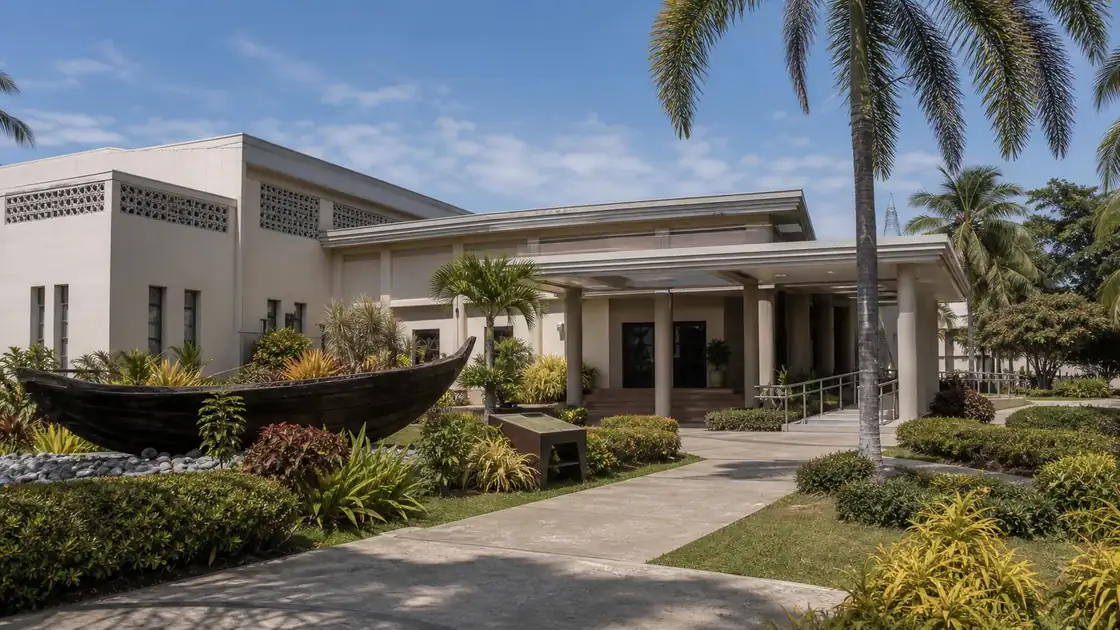
National Museum Butuan
Edited by Joshua S Bariñan
Best for
- Museum
- Butuan
Map address
J.P. Rosales Avenue, Barangay Doongan, Butuan City, Agusan del Norte 8600, Caraga
Place guide
Updated June 2026
Local details to know
Gold artifacts, ceramics, and foreign goods help explain Butuan's role in regional exchange before Spanish colonial rule. Together with the balangay material, they connect the museum to precolonial trade rather than a general local collection.
Visiting National Museum Butuan: What to Know
The National Museum of the Philippines Butuan Branch is located in the Butuan City downtown area. It is the main center for understanding the city's precolonial archaeology before visiting the Balangay Shrine Museum site. Admission to National Museum branches is free since the implementation of Republic Act 10086.
What the Museum Holds
The museum's core strength is its Butuan collection: gold artifacts and ornaments that document a society with sophisticated metallurgy and trade networks, ceramic vessels from China and Southeast Asia that confirm Butuan's role as a regional trade center from at least the 10th century onward, ethnographic material from Caraga's Indigenous groups, and interpretation linked to the balangay plank built boats excavated nearby. The archaeological importance of the collection reflects Butuan's designation as one of the most significant precolonial sites in Southeast Asia.
Best Time to Visit
Weekday mornings are the most comfortable visiting window with smaller crowds and more staff available for questions. The museum is air conditioned, making it a good midday stop during hot months. It works best as a first stop before the Balangay Shrine Museum, roughly 3 kilometers away, because the shrine shows the excavation site while the museum gives the cultural context and artifact history.
What Butuan is known for
Butuan is the site of the oldest known watercraft excavations in the Philippines. Nine balangay boats have been found dating from around the 4th to 13th century. The city is recognized as one of the earliest organized settlements in the Philippine archipelago based on the volume of trade goods recovered. This archaeological evidence gives Butuan a national heritage standing that exceeds its current urban profile.