Bangsamoro Autonomous Region in Muslim Mindanao / Lanao del Sur / Marawi
Marawi recovery
Edited by Joshua S Bariñan
Best for
- Civic recovery area
- Marawi
Map address
Place guide
Updated June 2026
Displacement Remains Part Of Daily Life
The recovery story is not only about rebuilt roads and public buildings. Government and humanitarian records have cited about 77,170 families, or 353,921 people, displaced by the 2017 conflict, while entire neighborhoods inside the Most Affected Area were reduced to rubble.
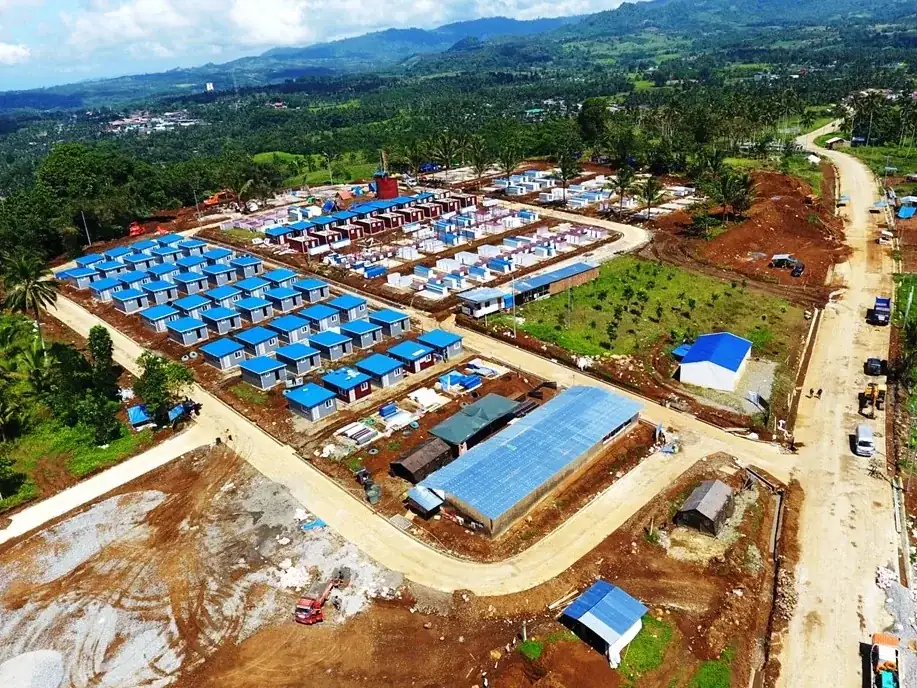
AIIA reporting said about 8,200 people were still living in temporary shelters as of March 2025. Some shelters are far from work and livelihood sources, and some residents have been asked to pay PHP 500 to PHP 1,500 in monthly rent because the land is privately owned.
Rebuilding Is Moving, But Slowly
PIA reporting on the Reconstruction and Development Plan for a Greater Marawi Stage 2 said the project was 19.61% complete as of January 2026. The program covers roads, bridges, drainage, and slope protection, with two road sections completed and five still ongoing; its proposed cost rose from PHP 7.52 billion to PHP 9.51 billion, and implementation may extend to March 31, 2028. The 100-bed Marawi General Hospital was also inspected by President Ferdinand Marcos Jr. on June 23, 2025, with an August 2025 operational target reported by PNA.
Compensation And Aid Are Still Uneven
The Marawi Compensation Board had distributed over PHP 841 million to 1,436 qualified claimants as of January 2025, but AIIA reported that only about 10% of 14,495 claims had been paid by then. Later support programs added labor subsidies, student cash aid, and payouts for non-Kathanor IDPs, but those programs do not erase the larger return and compensation gap.
The ICRC has urged national, regional, and local governments to speed rebuilding while ensuring basic services for families still in transitional shelters. Recent OCM-MRP programs included PHP 60,000 labor subsidies for house reconstruction, PHP 5,000 student assistance, and PHP 5,000 payouts for non Kathanor displaced people.