Davao Region / Davao del Sur / Davao City
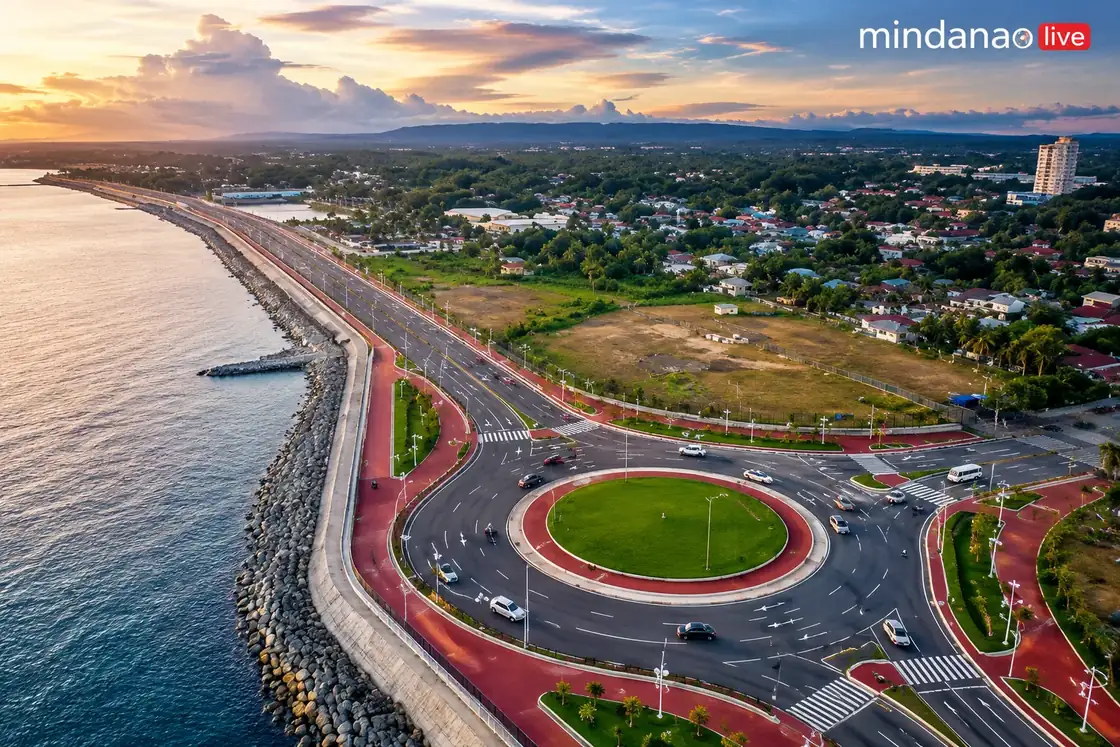
Davao Coastal Road
Edited by Joshua S Bariñan
Best for
- Coastal esplanade
- Davao City
Map address
Place guide
Last visited May 27, 2026
Before vehicles were allowed through the main opened segment in July 2023, Coastal Road already felt busy in a different way. People came to walk, jog, skate, bike, take pictures, or just stand by the water for a while. The stretch was still limited then, but nobody seemed to mind. For many of us, it was enough that Davao suddenly had a wide seaside space people could actually use.
I used to ride there alone almost every week, usually just to move my body and clear my head. Around March 2023, I stopped to rest and met a group of cyclists. One of them took my photo. We talked for a bit, and that stranger eventually became a friend. That is one of my earliest memories of Coastal Road, not just the view, but the small conversations that happen when people keep showing up in the same place.
By 2024, motorcycles and cars were already part of the scene. My partner and I rode there one evening before dinner because we wanted sea air more than anything planned. We parked, sat by the water for almost an hour, talked, and watched the sea. It was simple, but that is exactly why I remember it.
On May 27, 2026, we rode from Langub down to Coastal Road Talomo. We entered through Talomo at around 8:00 p.m. and reached the Roxas end at around 9:15 p.m. At night, the ride feels different. The sea is beside you, the city lights start to appear, and the road feels less like a shortcut and more like its own place.
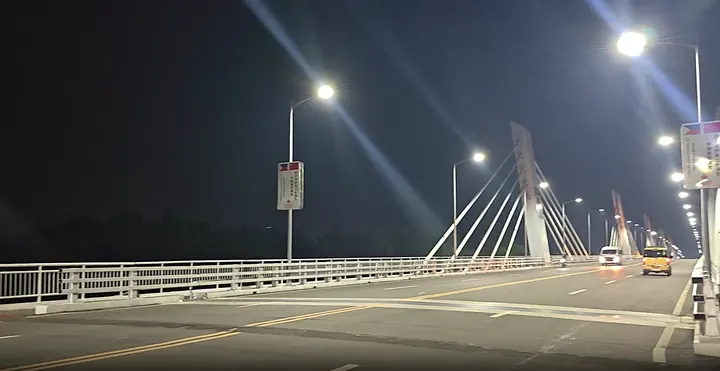
We rested at the roundabout in the Ecoland section. It was busy, with vendors nearby, cyclists passing through, and families sitting along the barriers. Later, we stopped again at Bucana Bridge, took a short video, and continued riding.
The ride from Talomo going to Roxas keeps you on the sea side lane almost the whole way. The wind hits directly, especially on the bridge sections where there is nothing blocking it. My bike is not heavy, so I had to be careful because you can feel every gust. Going back from Roxas to Talomo felt a little easier because the road angle changes and the wind is not as much in your face.
One thing people do not always mention about Coastal Road is the waves. When the tide is high and the wind is strong, the sea does not just stay on its side. The waves hit the big boulders along the road and the spray can carry over. It is not enough to soak you, more like a light mist while riding. It does not happen all the time, but when it does, you remember how close the road really is to the water. The rocks absorb most of it, but some of the spray still gets through.
That is what keeps pulling me back to Coastal Road. You can treat it as a route, but it never feels like only a route. A view, a breeze, a bridge at night, or just a quiet hour by the water can change the whole ride. It feels like Davao finally remembered that the coastline can be part of everyday city life.
- Early public use
- Before the July 2023 vehicular opening, people were already using the area for walking, jogging, skating, biking, photos, and seaside stops
Trip videos
Frequently Asked Questions
How long is Davao Coastal Road?
DPWH and Davao City reporting put the corridor at roughly 17.33 km to 18 km, while a later DPWH Davao update cites a 15.674 km active project length.
What connects the southern and northern sections of the road?
Bucana Bridge links Barangay 76-A or Bucana with Matina Aplaya over the Davao River, joining the city's southern and northern or eastern coastal sections.