Northern Mindanao / Camiguin
Camiguin
Edited by Joshua S Bariñan
Map address
Barangay Poblacion, Mambajao, Camiguin 9100, Northern Mindanao
Place guide
Updated June 2026
Camiguin is a small island province defined by its volcanoes, sandbars, springs, and old church ruins. Its approach to tourism focuses on conservation and local culture, balancing visitor numbers with environmental protection.
Local details to know
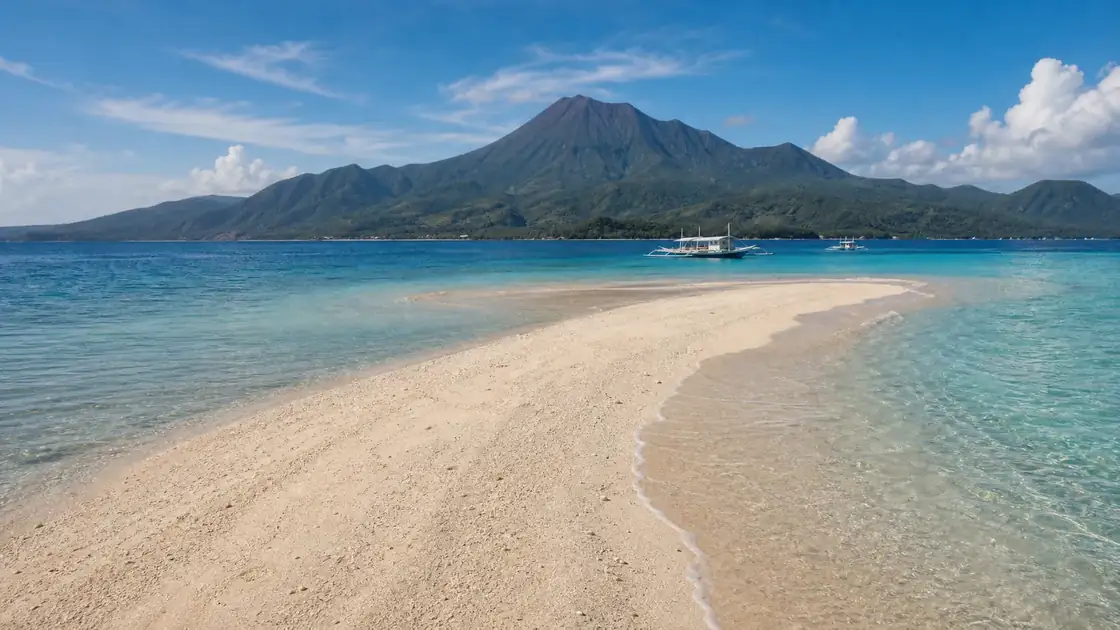
Camiguin is widely known as the Island Born of Fire because its small island landscape is shaped by volcanoes, including Mount Hibok-Hibok. White Island is an uninhabited sandbar off Mambajao and is one of the most photographed spots in the province.
The Sunken Cemetery and old church ruins keep the island's eruption and settlement history visible beside beach and spring tourism. The island is small enough to explore in a single trip, with a circular route connecting the ferries, springs, waterfalls, and heritage sites.
Visiting Camiguin: Volcanoes and Lanzones
Camiguin is nicknamed "Island Born of Fire" because it has more volcanoes per square kilometer than any other island in the world. The island has more than a dozen volcanoes, two of which are active. Mt. Hibok-Hibok's 1951 eruption led directly to the creation of the Philippine Commission on Volcanology. This volcanic history is also responsible for Camiguin's fertile soil, which produces what many consider the sweetest lanzones fruit in the Philippines.
When to Visit
March through June is the dry season with calm seas, clear skies, and ideal conditions for visiting the White Island sandbar and the sunken cemetery. October is the other peak window because of the Lanzones Festival. Avoid July through September for sea dependent activities due to rain and possible typhoon disruption.
Lanzones Festival
The Lanzones Festival is held annually during the third or fourth week of October, typically running for a full week. For 2025, official dates were October 20 to 27. It began in the early 1980s as a community thanksgiving among farmers and has grown into one of Mindanao's most attended cultural festivals. The main activity area is Mambajao, the provincial capital. Events include street dancing, a large lanzones procession through the streets, agricultural exhibits, beauty pageants, and displays of lanzones in baskets and hung on houses and street posts. The festival coincides with school semestral break, making it accessible for families traveling from Mindanao and Visayas.
What the island is known for
Camiguin is known for White Island, a shifting sandbar visible at low tide; the submerged Old Camiguin Cemetery, now underwater and marked by a cross visible from a boat; Katibawasan Falls; Mantigue Island for snorkeling and coral reefs; Mt. Hibok-Hibok for serious hikers; hot springs; cold springs; and the sweet lanzones fruit available fresh from trees during October harvest season. The island had around 800,000 visitors per year before the COVID-19 pandemic. Semana Santa is another significant event, featuring solemn processions to the Old Volcano.