Caraga / Agusan del Norte / Cabadbaran
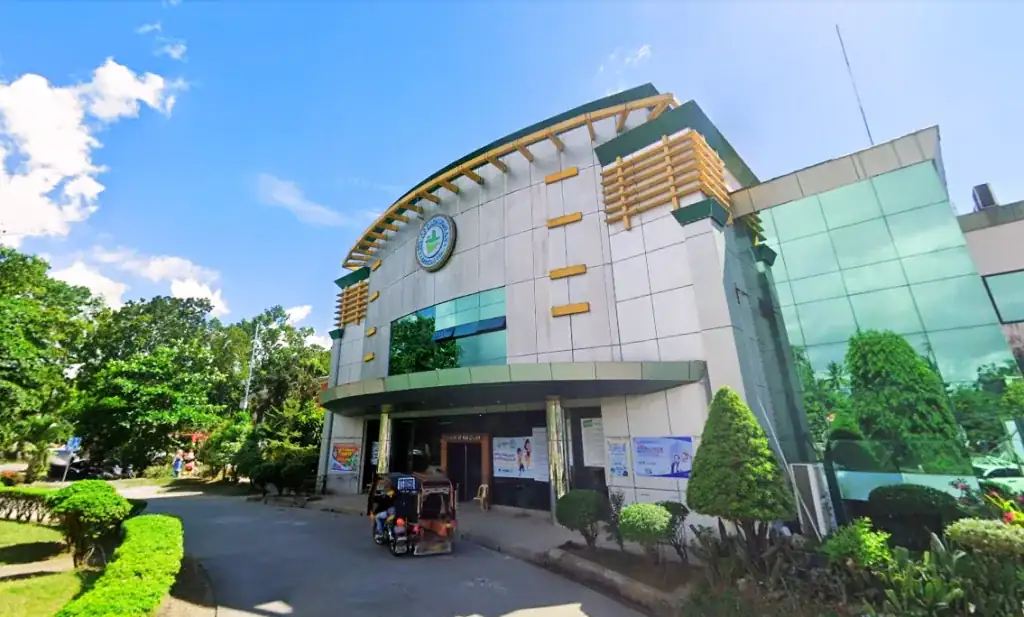
Cabadbaran city center
Edited by Joshua S Bariñan
Best for
- Civic district
- Cabadbaran
Map address
A. Curato Street, Barangay Poblacion 1, Cabadbaran City, Agusan del Norte 8605, Caraga
Place guide
Updated June 2026
On the Ground
The Atega Ancestral House on A. Atega Street was built in 1904 by Don Andres Atega and remains a functioning residence occupied by the Atega family. Its 36 rooms combine Filipino, Chinese, and European interior styles, making it among the most documented residential structures from the colonial period in Caraga.
Visits require advance coordination with the Atega family directly; the house has no set admission fee and accepts no unannounced visitors. The Dagkot Festival, in its nineteenth edition in 2026, was staged from January 29 to February 1, with the culminating ceremony on February 2 matching the feast of Nuestra Señora de la Candelaria.
The name Dagkot comes from the Bisaya word for lighting a candle, and the evening candle ritual at the parish church anchors an otherwise civic program of street dancing and a trade fair held at Rizal Park. Provincial capital infrastructure, including the Hall of Justice, District Jail, and City Library, is grouped along F.C. Dagani Street east of the city center core.
Cabadbaran's Land Transport Terminal stands roughly 100 meters northeast of the public market in the Mabini district, with vans and buses covering the 18-mile road to Butuan in approximately 26 minutes under light traffic. The Atega Ancestral House isn't a polished museum; it's a massive, 30-room wooden residence from 1904 that still feels lived in.
It was built by Don Andres Atega and features hidden doors and a mix of Spanish and Chinese styles that you won't see in modern developments. It's a religious celebration for Our Lady of the Candle that feels very local and intimate.
The main events happen at the sports complex, but the real charm is the candle lighting tradition in the neighborhoods. Most of the city center is walkable under the shade of massive old acacia trees. If you wander away from the main highway, you'll find smaller heritage homes that still maintain their original capiz windows and wooden beams.
Cabadbaran as Agusan del Norte's Capital and What to Know
Cabadbaran is the legally designated capital of Agusan del Norte under Republic Act No. 8811, while Butuan City has historically held most government operations. Butuan remains the regional center of Caraga and the province's most developed urban core. The seat transfer from Butuan to Cabadbaran has been a gradual process tied to the completion of provincial government facilities in Cabadbaran itself.
Dagkot Festival
Cabadbaran's most distinctive cultural event is the Dagkot Festival, which honors Our Lady of the Candle (Nuestra Señora de la Candelaria) through music, dance, and traditional candle lighting. The 2025 celebration was held at the Cabadbaran City Sports Complex and drew devotees, cultural performers, and visitors from across Agusan del Norte. The festival is an annual event tied to the city's religious calendar.
Heritage Anchor
The Atega Ancestral House in Cabadbaran City has been documented by DOT Caraga as a heritage site, giving the city center a specific reference point for visitors interested in colonial era residential architecture. Constructed primarily from sturdy native hardwood and featuring classic sliding capiz windows, this preserved landmark stands as one of the largest Spanish period residential structures in the province.
Best Time to Visit
Cabadbaran is most accessible from Butuan by road in about 30 to 40 minutes via the Butuan to Cabadbaran road. The dry season from February through May is the most comfortable window for travel. Dagkot Festival timing follows the Catholic feast of Our Lady of the Candle (Candlemas) in early February.