Caraga / Agusan del Norte / Butuan
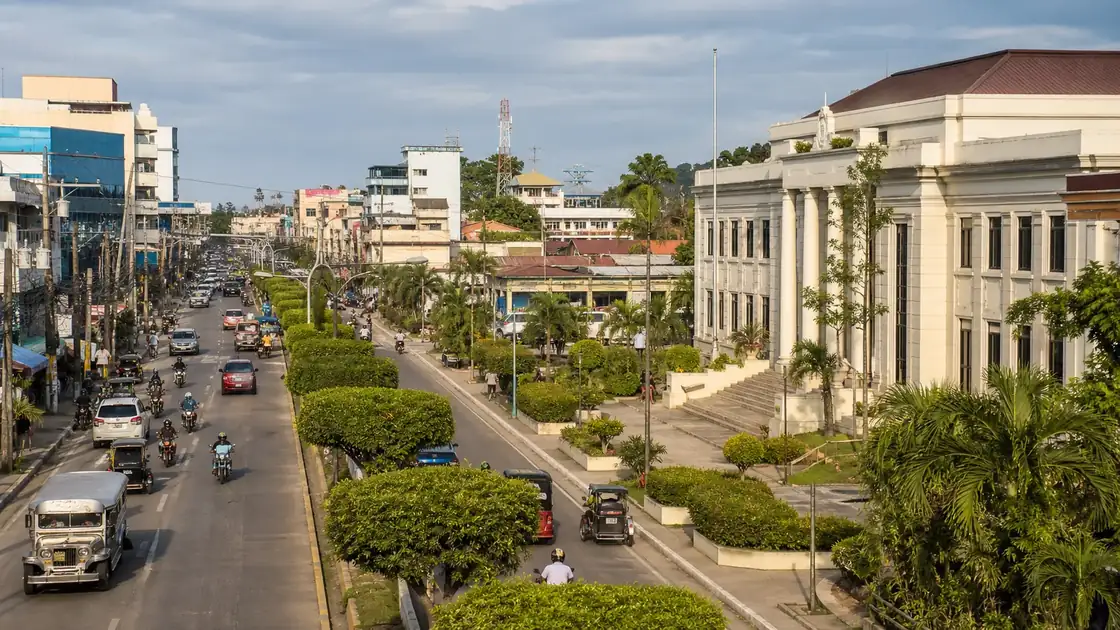
Butuan city center
Edited by Joshua S Bariñan
Best for
- Civic district
- Butuan
Map address
J.P. Rosales Avenue, Barangay Doongan, Butuan City, Agusan del Norte 8600, Caraga
Place guide
Updated June 2026
The Golden Age and the National Museum
Butuan is the site of one of the most sophisticated precolonial societies in Southeast Asia. The National Museum of the Philippines - Butuan, located in the downtown core, is the best first stop for understanding this.
As of 2025, the museum is open Monday to Sunday from 9:00 AM to 6:00 PM with free admission. Inside, the Archaeological Hall holds the Ginikanan exhibit, with 4th to 13th century gold artifacts and ceramics showing that Butuan was part of global trade long before the Spanish arrived.
The Ethnological Hall nearby highlights the textiles and tools of the Manobo and Higaonon tribes, grounding the city's ancient history in the living cultures of the Agusan Valley. Palagsing is a chewy brown delicacy made from sago starch and young coconut. The water moves slowly here, but it is deep enough that it once carried trade ships from across Southeast Asia.
Guingona Park and the Civic Heart
Guingona Park is the city's main plaza and a historical anchor. It is home to the Shrine of the Philippine Flag in Mindanao, marking the site where the Philippine flag was first hoisted on the island.
By day, it is a quiet space for office workers from the nearby City Hall; by night, especially during the Balangay Festival in May, it fills with street food stalls and community events. In February 2026, the city used this central area to launch seasonal night markets starting at 7:00 PM, featuring local Nano and Micro enterprise products.
If you are looking for a place to sit and watch the city move while trying local skewers, this is the spot. As the sun sets, the area around Guingona Park becomes a massive outdoor dining room.
You'll find rows of stalls selling Proben, Kwek-kwek, and grilled meats. The local 'Butuanon' barbecue sauce is a worth trying because it has a spicy and sweet kick that is distinct from what you find in Manila.
If you're looking for fresh local fruit or a bundle of Palagsing to take home, go early in the morning. Just remember that authentic Palagsing only lasts about 24 hours at room temperature because of the fresh coconut meat.
Langihan Market and Local Flavors
For a closer look at Butuan's economy, head to Langihan Market. This is a large, busy complex where the farm produce of Agusan del Norte is traded daily.
Arrive between 5:00 AM and 9:00 AM to see the peak activity. Look for laksoy, a traditional nipa palm wine that is a Butuan specialty. You will also find a wide range of dried fish and fresh fruits brought in from the surrounding river floodplains. The market is informal and crowded, so keep your belongings close, but food prices are usually lower here than at the SM or Robinsons malls. It's a 15 minute ride away and is where the local families have been making it for generations using traditional Lumbia palm starch.
Heritage on the Edge: Banza and the River
The story of Butuan is inseparable from the Agusan River. A short tricycle ride from the center takes you to the Banza Church Ruins. This was the oldest stone church in the region before it was destroyed by pirates in 1753. Today, only a bell tower survives, almost completely encased in the thick roots of a banyan tree (balete).
It is a haunting, quiet site that provides a sharp contrast to the busy city center. While the main Balangay Shrine Museum is about 5 kilometers away in Libertad, the Banza ruins offer a closer, more atmospheric look at the colonial friction that shaped the city's geography. Standing by the River Park gives you a sense of why this was such a powerful port before the colonial era.
On the Ground
The Balangay River Cruise, organized by the City Tourism and Cultural Affairs Department, runs during the March to June dry season with departures from Barangay Pagatpatan and Bading along the Agusan River toward the Butuan estuary. Chartered bangka service for the route costs around 5,000 pesos for half a day, with a crew of three included. During the May 2025 run, passengers observed demonstrations of the sapyaw fishing method, a traditional net technique used in the Agusan floodplain.
Jose Rosales Ave, the street that fronts Butuan City Hall at number 952, sees its foot traffic peak in the early evening, with Watergate Center in Barangay Bayanihan drawing office workers from the government district. The Balangay International Conference, organized by the University of the Philippines, Caraga State University, and the National Museum, convened in Butuan on September 18-19, 2025. Baron's Seafood Restaurant on J.C. Aquino Ave, near Purok 2 of Barangay Tiniwisan, focuses on freshwater and coastal species from both the Agusan River catchment and Butuan Bay.
Long haul bus services to Cagayan de Oro and Surigao depart from the terminal adjacent to Robinsons Butuan on the city's southern commercial edge. The Agusan River is the third longest in the Philippines and it defines the city's layout.
Visiting Butuan: Beyond the Balangay Ships
Butuan is the regional center of Caraga and a city with one of the longest documented histories in the Philippines. It sits at the mouth of the Agusan River on Butuan Bay and served as a significant precolonial port for trade with China, Borneo, and Java as early as the 10th century. The balangay boats, among the oldest known wooden watercraft in Southeast Asia, were excavated from the riverbanks starting in 1976. Araw ng Butuan is celebrated every August 15, tied to the belief held by some historians that the first Catholic Mass in the Philippines was held at Masao, Butuan, in 1521. This interpretation predates the more widely cited Limasawa account. The Mass on the Hill Monument at Masao marks this alternate site. Butuan's city center is a compact commercial and government district. The wet market near the city hall is active daily from early morning. Transport connections radiate from Butuan to Surigao, Davao, and Cagayan de Oro. For heritage visits, the sequence of National Museum Butuan, then Balangay Shrine Museum, then Banza Church Ruins in Magallanes takes a full day. Best Time to Visit: March through May or August during Araw ng Butuan festivities.
Frequently Asked Questions
How do I get around Butuan City center?
Tricycles are the primary mode of transport within the city. Fares within the downtown area typically start at PHP 15 to PHP 20 per person, but confirm the price before boarding.