Culture
BSP T'nalak Festival Coin Marks South Cotabato's 60th Anniversary
July 1, 2026 · Joshua S Bariñan
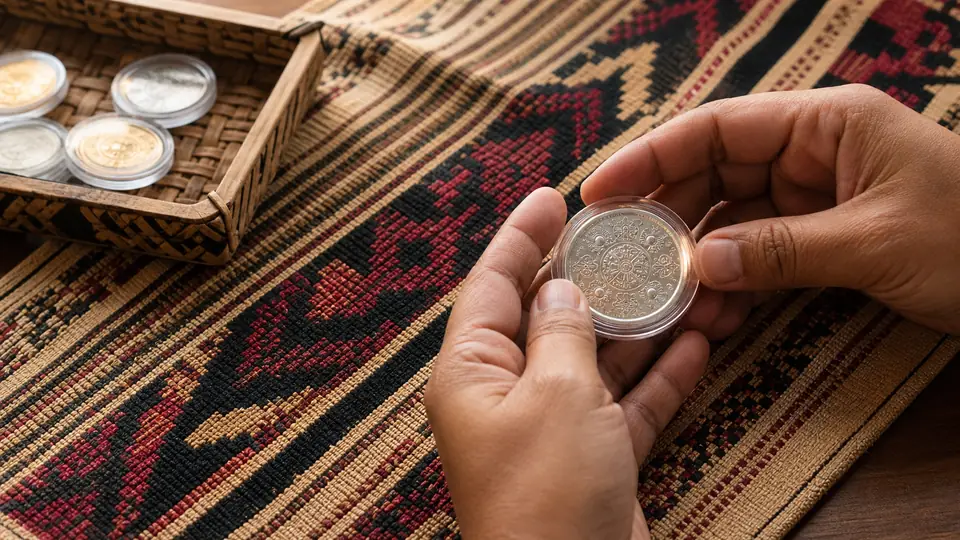
South Cotabato marks its 60th founding anniversary this year, and the central bank has tied a new commemorative coin to the milestone. The Bangko Sentral ng Pilipinas will turn over 50 pieces of a P100 silver coin bearing the T'nalak Festival design during the province's Governor's Night on July 17. The coin is the July release in a series that features 12 Philippine festivals through 2026.
A Coin for the Diamond Jubilee
South Cotabato is celebrating its 60th founding anniversary alongside the 27th T'nalak Festival. The province was created by Republic Act 4849, signed on July 18, 1966, and the festival culminates each year on July 18, which the province keeps as a special holiday.
The central bank coin will be handed over on July 17 during Governor's Night, an evening led by Governor Reynaldo Tamayo Jr. that also carries the Dangal ng South Cotabato Awards for residents honored for their work. The province is set to receive 50 pieces of the coin.
The year's calendar also runs a plant fair through July, a farmers festival in the middle of the month, and a competition for the best bahay kubo, the traditional nipa hut, judged on the final day.
Koronadal City, the provincial capital, hosts the main events of both the anniversary and the festival.
Inside the Central Bank Series
The coin belongs to a Bangko Sentral series called Pista sa Pilipinas that honors 12 Philippine festivals, with one design released each month through 2026. The T'nalak Festival is the July edition, following Sinulog in January, Kaamulan in March, and Pintados in June.
Only three of the twelve festivals come from Mindanao. The others are the Kadayawan Festival of Davao City and the Kaamulan Festival of Bukidnon. The central bank presented the full set to President Marcos in Manila in November 2025.
The series began with Sinulog in January and runs through the Giant Lantern Festival of Pampanga in December, pairing each month with a different celebration.
What the Coin Is Worth
Each piece is struck from 99.9 percent silver, weighs about 31 grams, and measures 38.6 millimeters. It carries a face value of P100 but sells for P5,000 because of its silver content and a limited run of 3,000 coins per design.
The coins are legal tender yet are made for collectors rather than daily use. A shared design on the back gathers symbols from all twelve festivals into a single pattern, with the central bank seal at the center.
How to Get One
Five of the province's 50 pieces were already reserved as of the announcement. Buyers may reserve through the Arts, Tourism, Culture and Museum Unit on the second floor of the South Cotabato Gym and Cultural Center, with payment accepted from the festival opening until July 18 and claiming set for July 23 at the central bank office in General Santos City.
Buyers elsewhere in the country can order through the central bank's online store, which lists each design about a week after its festival, with a limit of one coin per design for each customer. Early designs in the series, such as Sinulog, sold out quickly.
Demand has been high nationwide since the series began, with each new design drawing collectors to central bank outlets and to stores set up at each festival.
The Cloth Behind the Festival
The T'nalak is a cloth woven from abaca fiber by T'boli weavers of Lake Sebu, known as dreamweavers because they say their patterns come to them in dreams from a spirit tied to the abaca plant. A single piece can take about three months to finish.
The most honored of these weavers was Lang Dulay, who died in 2015 and was named a National Living Treasure in 1998 for keeping the craft alive. The festival takes its name from the cloth and marks the culture of the province's Indigenous communities, which the central bank says the coin is meant to share with a wider public.
Lake Sebu, the home of the T'boli, sits in the uplands of South Cotabato and is known for its three linked lakes and its weaving and brass work. The skill passes from mother to daughter, and the cloth appears in ceremonies and, increasingly, in clothing and decor sold beyond the province.
Sources and verification
Reader response
- Views
- 3
- Shares
- 0
- Rating
- Not rated
- Comments
- 0