Earthquake
Earthquake Swarm Rattles Jabonga and Alegria in Agusan del Norte
August 21, 2026 · Joshua S Bariñan
A cluster of earthquakes struck near Jabonga and Alegria in Agusan del Norte on August 21, with the strongest recorded around magnitude 5. Monitoring bulletins logged several tremors through the evening south of Jabonga, and the shaking was felt in nearby Butuan. The area sits in one of the most seismically active parts of the country.
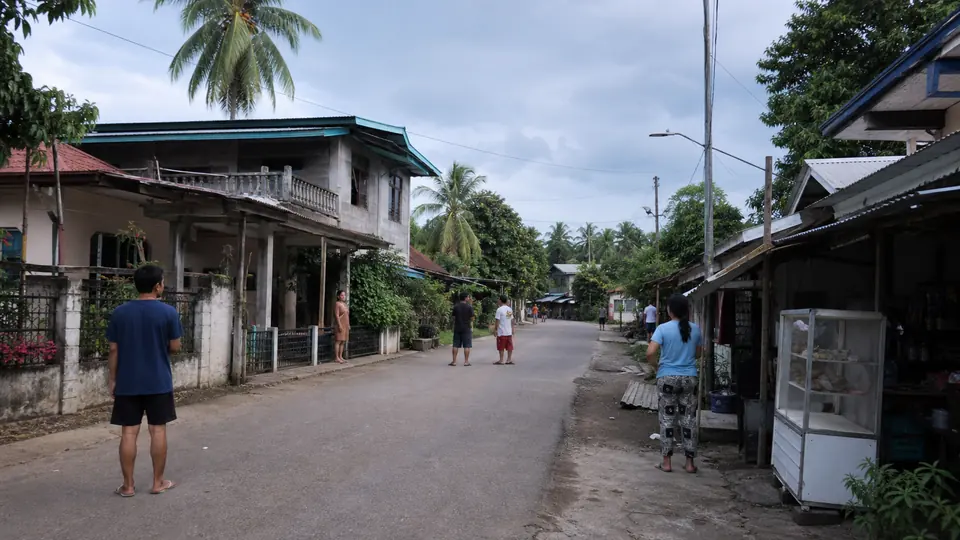
A series of earthquakes hit near Jabonga and Alegria in Agusan del Norte on August 21. The strongest reached about magnitude 5 and was felt in Butuan, followed by many smaller aftershocks into the evening.
What the monitoring bulletins recorded
A cluster of earthquakes struck the northern part of Agusan del Norte on August 21, centered near the towns of Jabonga and Alegria. The strongest tremors were logged in the late morning in universal time, which falls in the afternoon local time.
Automated monitoring placed the main shock at roughly magnitude 5 at a shallow depth. Early figures from different tracking services ranged from about magnitude 5.1 to 5.3, a spread that is common before official review settles on a single value.
Through the evening, the state seismology agency logged a run of smaller quakes south of Jabonga, including two tremors of about magnitude 4.2 within an hour of each other and several weaker aftershocks below magnitude 3.
Where it was felt
The shaking reached Butuan, the regional center about 80 kilometers from the epicenter zone, where some residents reported feeling the ground move. The shallow depth of the tremors made them more noticeable at the surface even at moderate magnitude.
In the 24 hours around the event, monitoring services counted several quakes near Butuan, with the largest at about magnitude 5. No major damage or casualties had been reported in the early hours after the swarm.
Residents in the affected towns were advised to watch for aftershocks, which tend to follow a cluster like this for days. Shallow inland quakes can trigger rockfalls and cracks even when the strongest shock stays in the moderate range.
Why this area shakes so often
Northern Agusan del Norte lies in one of the most active earthquake zones in the country. Records going back more than a century point to about 1,200 tremors a year on average in or near Jabonga, most too small to feel.
In that long record, a quake of magnitude 6 or stronger occurs roughly once every five to six years near the town, while a magnitude 5 or stronger comes about three times a year. The August 21 swarm fits that pattern of frequent moderate activity rather than a single rare event.
The Caraga region has felt several strong inland quakes in recent years, and the state seismology agency remains the official source for confirmed magnitudes and felt intensity reports as bulletins are updated.
How to read early magnitude reports
The different early magnitudes do not necessarily describe separate main shocks. Automated networks can calculate slightly different values because they use different stations, methods, and preliminary estimates of the earthquake's location and depth. Those numbers are commonly revised after analysts review more signals. For Philippine events, the state seismology agency's reviewed bulletin is the reference for the final local magnitude and reported intensities.
Magnitude and felt intensity also describe different things. Magnitude estimates the energy released at the source, while intensity describes how strongly the ground was experienced in a particular place. A shallow moderate earthquake can feel sharp near its epicenter and still produce lower intensity farther away. Soil conditions, distance, and the type of building can make reports vary even within the same town.
The label swarm describes a cluster of earthquakes close together in time and location. It does not by itself establish which fault moved or predict that a larger earthquake will follow. The August 21 sequence includes a stronger event and repeated smaller tremors, but a technical interpretation depends on reviewed locations, depths, and waveform data from the monitoring network.
What is known in the first hours
The available bulletins place the activity around Jabonga and Alegria and show that tremors continued into the evening. Reports from Butuan indicate that at least some shaking was noticeable well beyond the immediate epicenter area. Early monitoring did not show a major casualty or damage report, but that is an initial status rather than a final assessment from every barangay.
For residents and local officials, the continuing sequence makes verified updates more useful than isolated screenshots of automated estimates. Time, coordinates, depth, magnitude, and felt intensity can change as a bulletin is reviewed. Keeping those fields attached to each report helps distinguish one aftershock from another and reduces the risk of treating repeated posts about the same tremor as new events.
The historical frequency figures provide background, not a forecast. They show that moderate earthquakes are familiar in the wider Jabonga area over long periods, but averages cannot say when the next tremor will occur. The important near term record is the sequence confirmed by the official network and any inspection reports released by local authorities.
Sources and verification
Reader response
- Views
- 10
- Shares
- 0
- Rating
- Not rated
- Comments
- 0