Local milestone
Davao del Sur and Davao Oriental Mark 59th Founding Anniversary
July 1, 2026 · Joshua S Bariñan
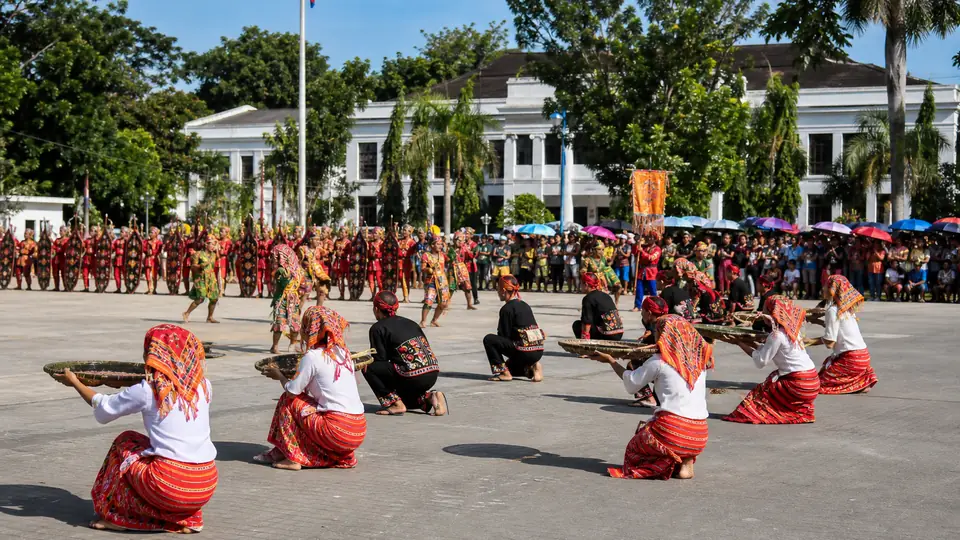
Davao del Sur and Davao Oriental observed their 59th founding anniversary on July 1, a date the Davao provinces keep as a special holiday. Davao del Sur centered its program on Digos City, while Davao Oriental marked the day in Mati City under a fresh executive order and its own cultural festival. Both provinces, along with Davao del Norte, trace their start to a 1967 law that split the old Davao province into three.
How the Provinces Were Formed
Before 1967, a single Davao province stretched across the southeastern end of Mindanao, taking in what are now several provinces along with Davao City. Its size made the trip to the provincial capital slow for towns far from the seat of government.
Republic Act 4867, which President Ferdinand Marcos signed on May 8, 1967, split it into three: Davao del Norte, Davao del Sur, and Davao Oriental, with capitals at Tagum, Digos, and Mati. The move was part of a national push that decade to create smaller provinces that were easier to run.
The three began working as separate units on July 1, 1967, which is why they share the same founding date. Republic Act 6380, approved on August 16, 1971, set July 1 as a yearly public holiday in the three provinces.
Both Davao del Norte and Davao del Sur were later divided again, creating Davao de Oro in 1998 and Davao Occidental in 2013. The region now counts five provinces along with Davao City.
Davao del Sur in Digos
Davao del Sur spread its anniversary activities from late June through the middle of July. On June 30 the province held a thanksgiving Mass, the Dugsu Sandwa cultural show, and a bloodletting drive for its blood bank.
The main program fell on July 1. A motorcade left the Phoenix station in Balutakay at 7 in the morning, followed by the culmination program at 8:30 at the Tablizo Gymnasium on the Capitol grounds in Matti, Digos City, which the province bills as the Araw ng Davao del Sur.
Governor Yvonne Rona Cagas and Vice Governor Marc Cagas led the rites before residents and local officials.
The province also ran the Davao del Sur Agri Trade and Investment Expo, its Agrinex show, from June 30 to July 2 at the atrium of the Gaisano Mall of Digos. Organizers gathered farm output, from fruit and rice to processed goods, and paired it with a forum aimed at drawing investment to local towns.
Davao Oriental and the Inalima Festival
Davao Oriental declared its holiday through Executive Order 50, issued on June 25, under the theme Duyog sa Pagbangon, Kusog sa Paglambo, which speaks to recovery and growth. Governor Nelson Dayanghirang signed the order.
The province held its Inalima Festival from June 26 to 30 in Mati City, the capital, alongside a marathon, a car show, and an investment conference meant to draw business to the area.
The lead up week also featured a triathlon the province calls TriDayOr, which brought athletes to the coastal capital.
The July 1 program brought an anniversary Mass, the Gawad Oriental Davaoeno awards for residents and workers, and a street celebration the province calls Hudyakaan.
The Two Provinces Today
Davao del Sur had 680,481 residents in the 2020 census and covers about 2,164 square kilometers, with Digos City as its capital and largest city at roughly 188,000 people. Davao Oriental had 576,343 residents and is far larger in land at about 5,680 square kilometers, with Mati City as its seat at about 148,000 people.
The anniversary this year came weeks after the June 8 earthquake off Sarangani shook much of southern Mindanao, a backdrop that gave Davao Oriental's recovery theme added weight for towns still repairing homes and schools.
Both provinces lean on farming and fishing, with coconut, banana, and other crops filling the countryside and coastal towns working the sea, which shapes how each marks its founding year.
A Date Shared Across the Region
Davao del Norte, the third province from the 1967 split, also counts July 1 as its founding date and holds its Kadagayaan Festival around the same time, so all three provinces celebrate together.
Together the Davao provinces hold the southeastern corner of Mindanao, bound by a shared history that residents mark each July 1 with programs, festivals, and a day away from work and classes.
Sources and verification
Reader response
- Views
- 2
- Shares
- 0
- Rating
- Not rated
- Comments
- 0